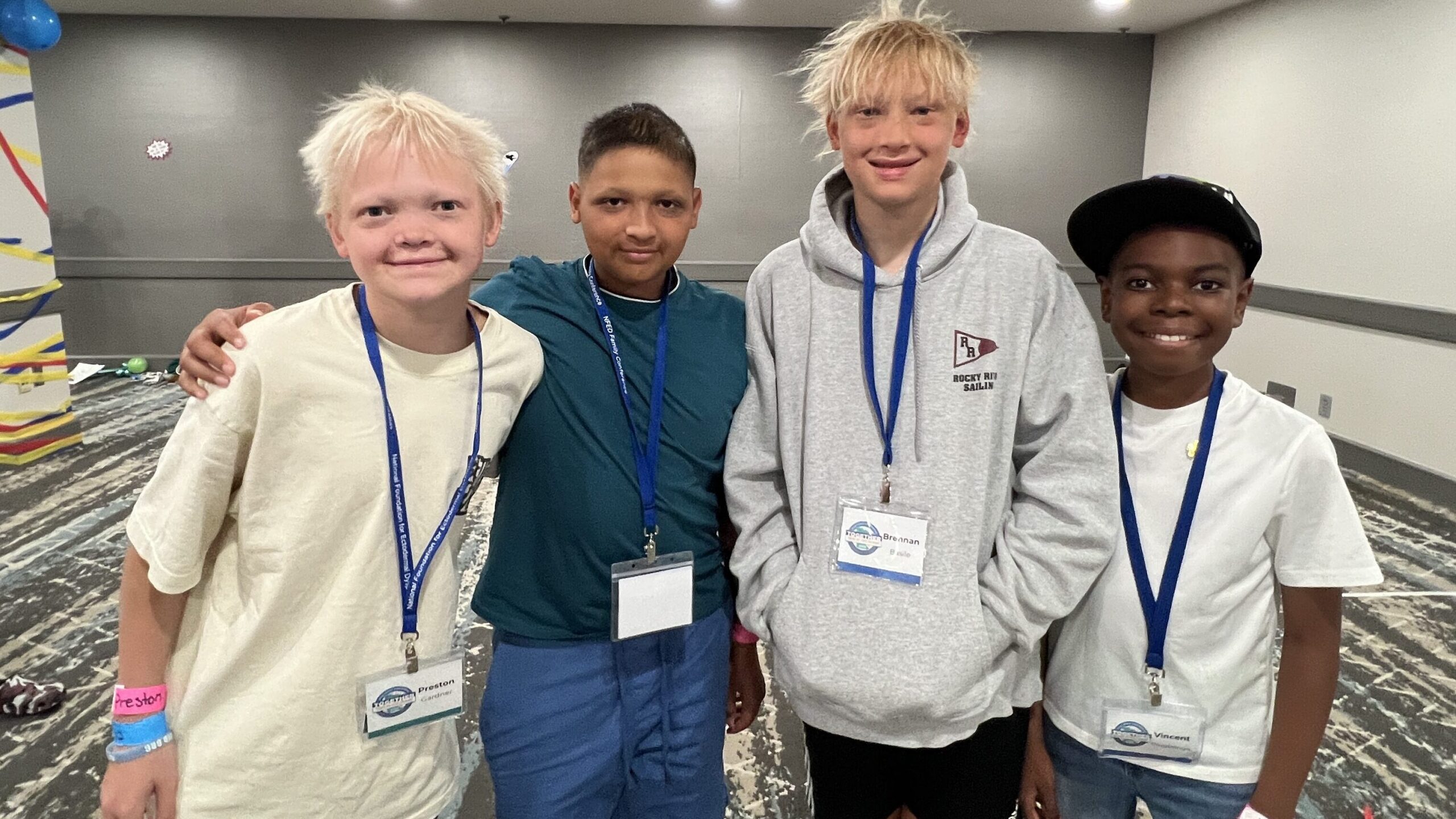
Ectodermal dysplasias are genetic conditions that change how a person’s hair, teeth, nails, and certain glands, such as the sweat, salivary, mammary, and tear glands, develop and work.
Classifying Each Syndrome
Experts have developed a new system to organize the 50+ different types of ectodermal dysplasias. Instead of just looking at symptoms (phenotypes) and how they present in an individual, they now group them by the specific genetic “typos” (changes) that cause them and how those changes interfere with the body’s development.
To make sure the list is accurate, a condition is only officially classified as an ectodermal dysplasia if it has affected more than one person. This modern, gene-based approach is a game-changer for families, as it helps doctors provide much more accurate diagnoses and personalized care.
If you are a care provider or researcher, you may want to review the full ectodermal dysplasias classification publication for more comprehensive information.
Molecular Pathways/Groups
The different types of ectodermal dysplasias are now grouped by molecular pathways (body processes) that are not working properly because of the gene changes.
Ablepharon-Macrostomia Syndrome
Ectodermal Dysplasia 13, Hair Tooth Type (ECTD13)
Ectodermal Dysplasia With or Without Hypohidrosis (Lymphoid Enhancer Binding Factor 1)
Focal Facial Dermal Dysplasia 3
Goltz Syndrome (Focal Dermal Hypoplasia)
Odonto-Onchyo-Dermal Dysplasia (OODD)
Acro-Dermato-Ungual-Lacrimal-Tooth Syndrome (ADULT)
Ankyloblepharon-Ectodermal Defects-Cleft Lip/Palate (AEC) Syndrome
Curly Hair-Ankylobelpharon-Nail Dysplasia Syndrome (CHANDS)
Ectodermal Dysplasia, Ectrodactyly, Macular Dystrophy Syndrome (EEMS)
Ectodermal Dysplasia 12; Hypohidrotic/Hair/Tooth/Nail Type (ECTD12)
Ectrodactyly-Ectodermal Dysplasia-Cleft Lip/Palate (EEC) Syndrome
Cleft Lip/Palate-Ectodermal Dysplasia Syndrome (CLPED1)
Ectodermal Dysplasia 4, Hair/Nail Type (ECTD4)
Ectodermal Dysplasia 7, Hair/Nail Type (ECTD7)
Ectodermal Dysplasia-Short Stature Syndrome (ECTDS)
Ectodermal Dysplasia-Skin Fragility Syndrome (EDSFS) (McGrath Syndrome)
Ectodermal Dysplasia-Syndactyly Syndrome 1 (EDSS1)
Ectodermal Dysplasia – Type Unknown
It is possible that a person could have a combination of symptoms or a change in a gene that has not yet been described in the medical literature. Or, the person is just told they are affected by ectodermal dysplasia. The doctor might not know enough about the different types to give a specific diagnosis. Or, the person was diagnosed at a time when we didn’t know as much about a particular type. Learn more about type unknown.
If you have any questions about the new classification and pathways, contact Kelley at kelley@nfed.org.